
A private London clinic integrating psychiatry and psychology
Dilemmas over psychiatric medication
To get in touch or find out more about how we can help:
Our team are available
Monday–Thursday 8am–8pm
Friday 8am–6pm
Many people come to see our clinicians for advice about their psychiatric medication. They may be wondering whether to keep taking it, make a change, or stop altogether. These are important decisions, and our clinicians are here to help you think them through carefully, with up-to-date information and guidance based on your unique situation.
We support people dealing with a wide range of mental health conditions and also provide advice for people in specific life situations, like pregnancy, where medication decisions can feel especially complicated.
Amongst our psychiatrists are leading authorities on medication issues in psychiatry and we also have a Consultant Pharmacist available for medication-specific consultations and guidance.
Medication and Therapy
Our team also includes experienced clinical psychologists who can help explore non-medication approaches, or approaches which can work alongside a medication regime.
For some people, talking therapies like cognitive behavioural therapy (CBT), trauma-focused therapy, or long-term psychotherapy can be just as effective as medication. In many cases, therapy can work alongside medication to give better results.
Your clinicians will help you understand your options and what the evidence shows, so you can make a choice that fits your needs and preferences.
Side Effects and Medication Options
Our clinicians will always outline expected side effects for any medications they prescribe. They pay close attention to these so that adjustments can be made promptly where medications are not well tolerated.
Often, there are alternatives that could be more comfortable to take or suit one’s lifestyle better, so any side-effects you experience are important to communicate to your clinicians.
An extreme example of a side effect that needs to be monitored closely is tardive dyskinesia, which can be avoided or managed effectively with the appropriate care. Tardive dyskinesia is a condition that causes involuntary movements, usually in the face or mouth. This can happen in some people after long-term use of certain psychiatric medications, especially antipsychotics.
While it is relatively uncommon, it can be distressing and is important to catch early. If you're worried about side effects like this, our clinicians can assess your risk, explain what to look out for, and discuss alternative treatment options if needed.
Our goal is to support you in making informed, confident decisions about your mental health care, whether that means continuing with your current treatment, adjusting, or exploring different approaches altogether.
Staff
We have an expert team of Consultant Psychiatrists and Clinical Psychologists who are well versed in helping manage challenges in medication management.

Dr Siobhan Gee

Dr Ilaria Bonoldi

Dr Soumitra Burman-Roy

Dr Robert Harland

Dr Roger Howells

Dr Chun Chiang Sin Fai Lam

Dr Shubulade Smith

Dr Maria Jalmbrant

Dr Marilia Calcia

Dr Florian Ruths

Dr Matthew Green

Dr Andrew Camden

Dr Beate Haege

Dr Jemma Day

Dr Nicky Kalk
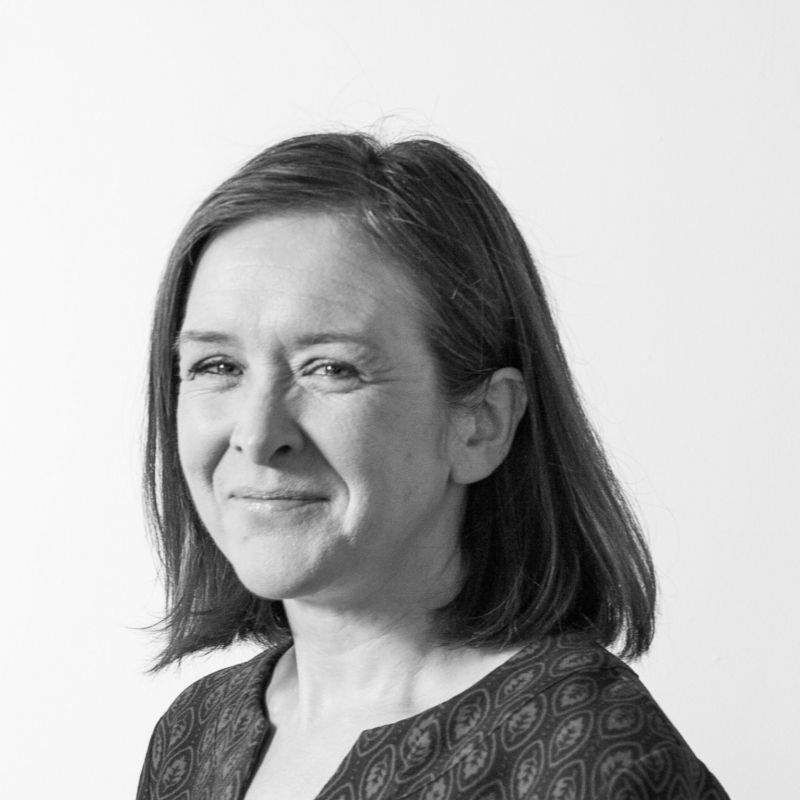
Dr Caryl Marshall

Dr Dorothea Bindman

Dr Bhathika Perera

Dr Zain Sadiq

Dr Louisa Beckford

Dr Yasmine Ashcroft

Dr Marcella Fok
Contact and Appointments
If you are seeking an appointment with a psychiatrist, you should discuss this first with your GP to obtain a referral. Referrals are also accepted from clinical psychologists and counsellors.
Once you have your referral, please do contact us via our Enquiry Form and one of our team will be in touch without delay.
Overseas referrals are warmly welcomed. We do also see individuals without a family doctor (GP), and we can help you find a private or NHS family doctor.