
A private London clinic integrating psychiatry and psychology
Getting Older & Dementia Assessment
To get in touch or find out more about how we can help:
Our team are available
Monday–Thursday 8am–8pm
Friday 8am–6pm
Getting Older
Ageing can be associated with all the psychological problems of younger life, but with some particular ones such as cognitive and intellectual change, altered mental capacity, children leaving home and loss of loved ones, work and other aspects of one's life. We regularly help people cope with age-related issues as well as mental illness in later life.
Our Older Age clinic is headed by Dr Ruth Cairns, the Training Programme Director for Old Age Psychiatry at South London and Maudsley NHS Foundation Trust. She specialises in working with older adults and is experienced in the assessment and management of common and severe mental health disorders including depression, anxiety, adjustment disorder, bipolar disorder, psychosis, memory problems and dementia, including complex presentations of dementia. Dr Cairns also heads our Capacity Assessment service.
Dr Cairns is supported by Dr Michelle Hamill, a Consultant Clinical Psychologist, with over 20 years' experience in mental health in the NHS, and leading psychological services for Older Adult Mental Health, Memory Clinics and Dementia Care.
Understanding Dementia
Receiving and living with a diagnosis of dementia can affect people in multiple ways: emotionally, psychologically, economically, socially, and physically.
At Sloane Court Clinic, a team of experienced clinicians with specialist skills and expertise in dementia can provide information, advice and evidence-based treatments and interventions to meet different individual and family needs to improve quality of life for all involved.
Taking a holistic and compassionate approach, we can enable people with dementia to live with dignity and continue to find meaning and purpose in life alongside addressing the challenges that can arise.
Whilst everyone’s personal circumstances are unique and experiences will differ there are core skills and strategies that can help you along the way; working with what the condition brings instead of against it, irrespective of what stage of dementia a person is at.
What is dementia?
Dementia is a syndrome – usually of a chronic or progressive nature – in which there is deterioration in cognitive function (i.e., the brain-based skills and abilities) beyond what might be expected from normal ageing.
As well as memory loss, thinking; understanding; language; concentration; and judgement can all be affected. Changes in motivation and emotional responses may also arise and a person may have less control over their feelings and how they express them.
There are different forms of dementia, with differing disease pathologies. Alzheimer’s disease is the most common and perhaps most well-known type; others include vascular dementia, dementia with Lewy bodies, Parkinson’s disease dementia, and frontotemporal dementias to name just a few.
The boundaries between different subtypes of dementia are indistinct and mixed forms often co-exist. The World Health Organization (WHO) estimates that over 50 million people worldwide are living with dementia.
Although age is the strongest known risk factor, dementia is not an inevitable consequence of getting older and does not only affect older people. Young-onset dementia where symptoms begin before the age of 65 accounts for up to 9 per cent of people with dementia.
Dementia affects people in different ways, not just depending on the type(s) of disease but also a person’s personality before developing the disease, other health conditions, lifestyle, social supports, environment and other circumstances.
Although there are medications to help with some of the symptoms of dementia, there are no medical treatments currently available to cure many of these diseases or to alter the progressive course. However, the way a person with dementia feels and behaves, and how they experience life, is down to much more than just having the condition.
There are many factors that play a significant role in wellbeing, with personal relationships and social environment being central.
Learning to focus on the things that really matter and changing what is within your control- notably the approach and actions of those offering care and support, alongside interests and strengths, can help to improve quality of life both for the person with the condition and those supporting them.
Staff
We have an expert team of Consultant Psychiatrists, Clinical Psychologists and Psychotherapists who are well versed in helping manage conditions in older age.

Dr Ruth Cairns

Dr Michelle Hamill

Dr Roger Howells

Dr Chun Chiang Sin Fai Lam

Dr Anastasios Argyropoulos

Dr Dimitri Spiliotis

Dr Marilia Calcia

Dr Matthew Green

Dr Florian Ruths

Dr Sharon Chambers

Dr Andrew Camden
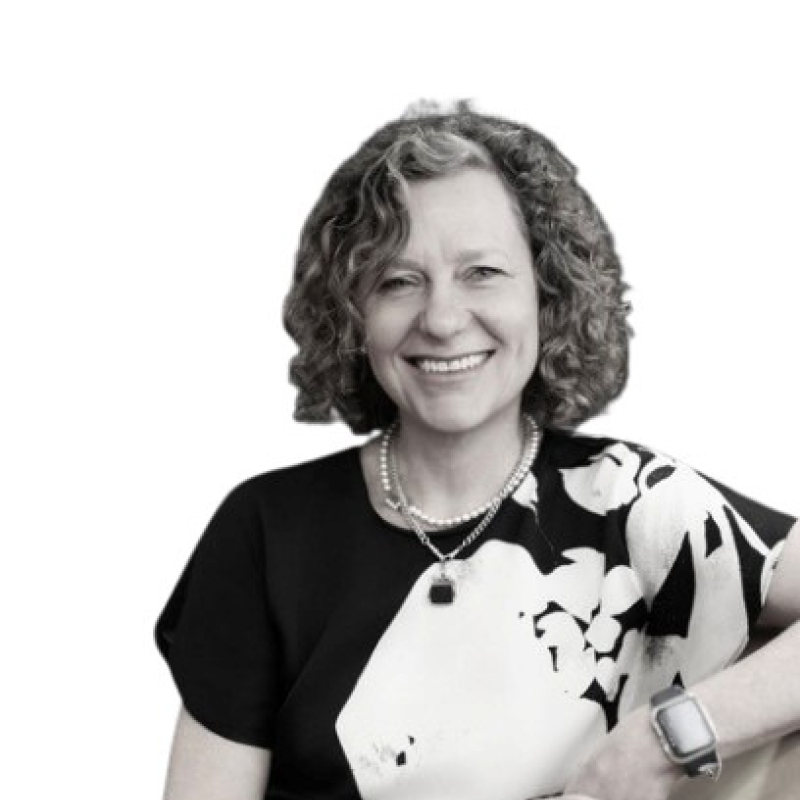
Ms Ilse du Preez

Dr Beate Haege

Dr Zain Sadiq

Dr Aoife O'Leary

Dr Andrew Howe

Dr Marcella Fok
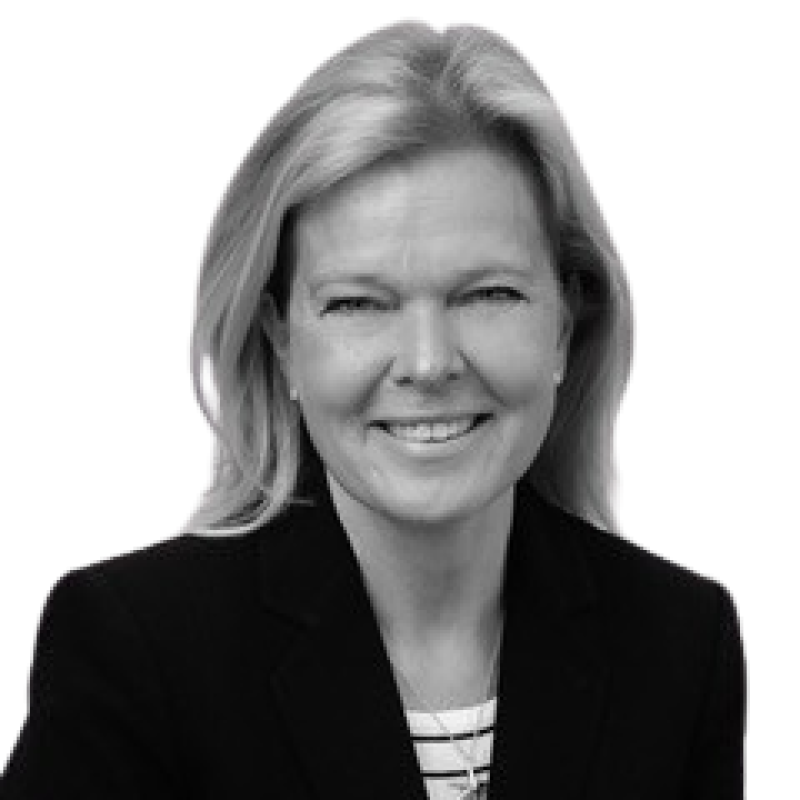
Dr Hattie Smart
Contact and Appointments
If you are seeking an appointment with a psychiatrist, you should discuss this first with your GP to obtain a referral. Referrals are also accepted from clinical psychologists and counsellors.
Once you have your referral, please do contact us via our Enquiry Form and one of our team will be in touch without delay.
Overseas referrals are warmly welcomed. We do also see individuals without a family doctor (GP), and we can help you find a private or NHS family doctor.