
A private London clinic integrating psychiatry and psychology
Eating Disorder Clinic
To get in touch or find out more about how we can help:
Our team are available
Monday–Thursday 8am–8pm
Friday 8am–6pm
The Sloane Court Clinic is home to renowned psychiatrists and clinical psychologists with a wealth of experience and expertise in the assessment and support for adults with Eating Disorders.
Adult Eating Disorder Support and Treatment in London
The Sloane Court Clinic offers a comprehensive diagnostic and support service and can offer psychoeducation, guidance, support and psychological therapy for those with Eating Disorders.
We also offer consultation and psycho-education about the diagnosis for the individual and/or their family and combined medical and psychological treatment of primary and secondary symptoms as recommended in the NICE guidelines.
We would like to highlight that support and treatment for formal Eating Disorders, or any type of Disordered Eating, are most effective at an early-intervention stage; as such, if you have any concerns about Disordered Eating for yourself or a loved one, please don't hesitate to contact our team for guidance.
Eating Disorders in Adults
Anorexia
Anorexia, or anorexia nervosa, is a complex illness marked by individuals limiting their food and drink intake, often establishing rigid rules around what, when, and where they eat. This condition can affect individuals of any age, gender, ethnicity, or background. While low body weight is a common characteristic, it is crucial to recognize that the severity of anorexia cannot be exclusively determined by weight alone. In addition to restricting food, individuals with anorexia may engage in excessive exercise, induce vomiting, or misuse laxatives. Some may also experience cycles of bingeing and purging.
ARFID
Avoidant/Restrictive Food Intake Disorder (ARFID) is another condition characterized by individuals avoiding certain foods or having restricted overall food intake. It can manifest at any age and does not necessarily result in weight loss. The reasons for ARFID are diverse and may include sensitivity to taste, texture, or past negative food-related experiences. Notably, ARFID can co-occur with other conditions such as anxiety disorders, autism, ADHD, and various medical conditions.
Binge Eating Disorder
Binge Eating Disorder (BED) involves the consumption of large quantities of food without a sense of control. Unlike bulimia, individuals with BED do not engage in purging behaviors like vomiting. Binge eating episodes are distressing and may include eating rapidly, eating until uncomfortably full, and experiencing feelings of guilt or shame.
Bulimia
Bulimia, or bulimia nervosa, is characterized by a recurring cycle of bingeing on large quantities of food followed by compensatory behaviors such as vomiting, laxative use, fasting, or excessive exercise. Early intervention is critical for the best chance of recovery.
Orthorexia
Orthorexia, whilst not currently formally defined as an Eating Disorder, is a clinical issue characterised by an unhealthy obsession with consuming "pure" or "clean" foods. This behavior, similar to other eating disorders, is often employed to cope with negative emotions, and individuals may experience anxiety or guilt if they deviate from their perceived healthy eating regimen.
OSFED
Other Specified Feeding or Eating Disorder (OSFED) is a comprehensive category encompassing eating disorders that do not precisely fit the criteria for anorexia, bulimia, or BED. Examples include atypical anorexia, bulimia of low frequency, binge eating disorder of low frequency, purging disorder, and night eating syndrome. OSFED is a serious mental illness that demands appropriate treatment, and individuals diagnosed with OSFED may exhibit a range of symptoms.
Pica
Pica is a feeding disorder where individuals consume non-food substances devoid of nutritional value. Rumination Disorder involves the repetitive regurgitation of food without nausea or disgust. Both conditions can affect individuals of any age, and seeking clinical attention is crucial, especially if there are associated medical consequences.
What are the Signs of Eating Disorders?
BEAT (the UK’s Eating Disorder Charity) suggests the following could be early signs of an Eating Disorder;
-
Are you / they obsessive about food?
-
Is your / their behaviour changing?
-
Are you / they often tired or struggling to concentrate?
-
Do you / they disappear to the toilet after meals?
-
Do you / they have distorted beliefs about your / their body size?
-
Have you /they started exercising excessively?
Adult Eating Disorder Assessment in London
Our leading Eating Disorder specialists will assess the presence of these signs and markers during the patient’s initial diagnostic assessment. Not everyone with an Eating Disorder experiences aspects to the same degree, or in the same way. Our team can work with the patient to carefully and considerately explore how different aspects of concern manifest and how these areas can be supported and provided with positive intervention.
Psychological therapy for Adults with Eating Disorders
The recommended therapies for eating disorders primarily revolve around cognitive-behavioral therapy (CBT), a form of talk therapy designed to address the underlying thoughts and emotions contributing to the disorder. CBT breaks down issues into manageable parts and teaches people how to modify negative beliefs and thought patterns for improved emotional well-being, whilst also providing support and guidance.
Various types of talking therapies can be employed in the treatment of different eating disorders, and your therapist and psychiatrist would work alongside you to find a combination of approaches and techniques that feel right for you. The objectives of these therapies are to minimize risks to both physical and psychological well-being, promote healthy eating habits, and facilitate recovery by assisting in cultivating constructive coping mechanisms for the underlying thoughts and emotions associated with the eating disorder.
The therapies we often employ include;
-
CBT-ED (eating disorder focussed Cognitive Behaviour Therapy)
-
MANTRA (the Maudsley Anorexia Nervosa Treatment for Adults)
-
SSCM (Specialist Supportive Clinical Management)
-
Focal Psychodynamic Therapy
These treatment options are based on evidence of their effectiveness in addressing eating disorders. However, individual responses may vary, and we don’t ascribe to a one-approach-fits-all belief system – we'll work together to find a route forward that works.
Medication used for Eating Disorders
There aren’t any medications specifically designed to treat Eating Disorders. However, several medications used for other conditions that may occur alongside an Eating Disorder might help with certain symptoms.
Co-morbidity with other Mental Health challenges
We are conscious that Eating Disorders often present in the company of other Mental and Physical Health challenges, and diagnoses, and our team are well-versed in identifying these, and treating the person as a whole.
At the Sloane Court Clinic we are also fortunate to work in a highly-skilled multi-disciplinary team, allowing patients to have input from a range of experienced specialists across differing Mental Health areas as needed and deemed required by both the primary clinician, and patient.
We also have a vast network of Physical Health specialists we can refer to, and co-manage care with.
Adult Eating Disorder Specialists in London
The Eating Disorder Clinic is led by Dr Katie Au and Dr Nikola Kern, consultant psychiatrists, and Dr Sajdah Zaman and Dr Omara Naseem, clinical psychologists.
Dr Katie Au is a Consultant Psychiatrist and Medical Psychotherapist at Central and North West London NHS Foundation Trust (CNWL) and South London and Maudsley NHS Foundation Trust (SLaM). In her NHS practice, Dr Au works as a Consultant Psychiatrist for the Vincent Square Eating Disorders Service at CNWL, and for a research trial at SLaM. She has specialist expertise in the assessment and management of Eating Disorders, including Anorexia Nervosa, Bulimia nervosa, Binge-Eating disorder, Avoidant Restrictive Food Intake Disorder (ARFID).
Dr Nikola Kern has been a consultant psychiatrist at the South London and Maudsley NHS Foundation Trust for over 10 years. Dr Kern studied medicine in Heidelberg, Germany, and started training in psychiatry at the Max Planck Institute of Psychiatry in Munich, Germany. Moving to London, she completed her psychiatric training at the Maudsley Hospital and has worked there since as a Consultant Psychiatrist. Dr Kern has a specialist interest and experience in Eating Disorders, including Anorexia Nervosa, Bulimia Nervosa, Binge Eating Disorder and Eating Disorders with complex presentations including comorbid psychiatric or medical conditions.
Dr Omara Naseem is a respected and recognised senior counselling psychologist based in London, who specialises in treating eating disorders and media work. She also works with complex co-morbid presentations, ADHD, depression, anxiety, relationship difficulties, low self-esteem and body image issues. Dr Naseem has experience working at the Priory Clinic (inpatients) and for the internationally renowned NHS South London and Maudsley eating disorders outpatient team. She uses the MANTRA model of therapy, SSCM, Cognitive Behavioural Therapy, Mindfulness based approaches and individually tailors' therapy to the needs of each client.
Dr Sajdah Zaman is an experienced senior clinical and has significant experience of working with eating disorders and with co-morbid difficulties that often present with eating disorders , such as anxiety, depression, low self-esteem. She is trained in the main therapies to treat eating disorders, these include, Enhanced Cognitive Behaviour Therapy ) CBT-E, Maudsley Model of Anorexia Nervosa Treatment for Adults (MANTRA), Specialist Supportive Clinical Management (SSCM) and Brief Cognitive Behaviour therapy for non-underweight eating disorders (CBT-T).
Contact and Appointments for Eating Disorder Assessment and Treatment
Referrals may be made by general practitioners, consultant psychiatrists, by letter, email, our Contact Form, or by calling us on 020 7730 5945, requesting the “Eating Disorder Clinic”.
Patients are requested to seek referral through their GP, or consultant.
Fees
Our fees differ between clinicians, but self-funded psychiatry appointments for Eating Disorder assessment and management are between £380 - £510 per hour, with 30 minute follow up appointments at between £225 - £250.
Psychological support for Eating Disorders starts at £200 per appointment, though exact fees vary per clinician. Please speak to our team for more detailed information.
Prescriptions are usually administered within a session but if an out of session prescription is required for any reason, the fee is £25. Please note that as we are a private service, medication costs from your pharmacy would be in addition to the prescription costs listed here.
Services
-
Assessment and diagnosis – a comprehensive assessment based on structured interviewing, rating scales, physical and observational data
-
Medical management
-
Psychological interventions
-
Advice on behavioural adjustment
-
Psycho-education about Eating Disorders
-
Advice on psychological management methods
-
Advice and treatment of associated risk behaviour
-
Advice to general consultants or GPs on ongoing treatment of an Eating Disorder
-
Advice to spouses, parents and carers
-
Second opinions
Please note: If you already have a pre-existing diagnosis of an Eating Disorder and would like to enquire about starting or continuing treatment with us, you will be asked to send through documentation from your previous teams, to enable us to have a full understanding of your treatment history, as well as understanding your preferences on how to go forward.
Staff
The Eating Disorder Clinic is led by Dr Katie Au and Dr Nikola Kern, consultant psychiatrists, and Dr Sajdah Zaman and Dr Omara Naseem, clinical psychologists.

Dr Katie Au

Dr Sajdah Zaman

Mrs Jessica Roberts
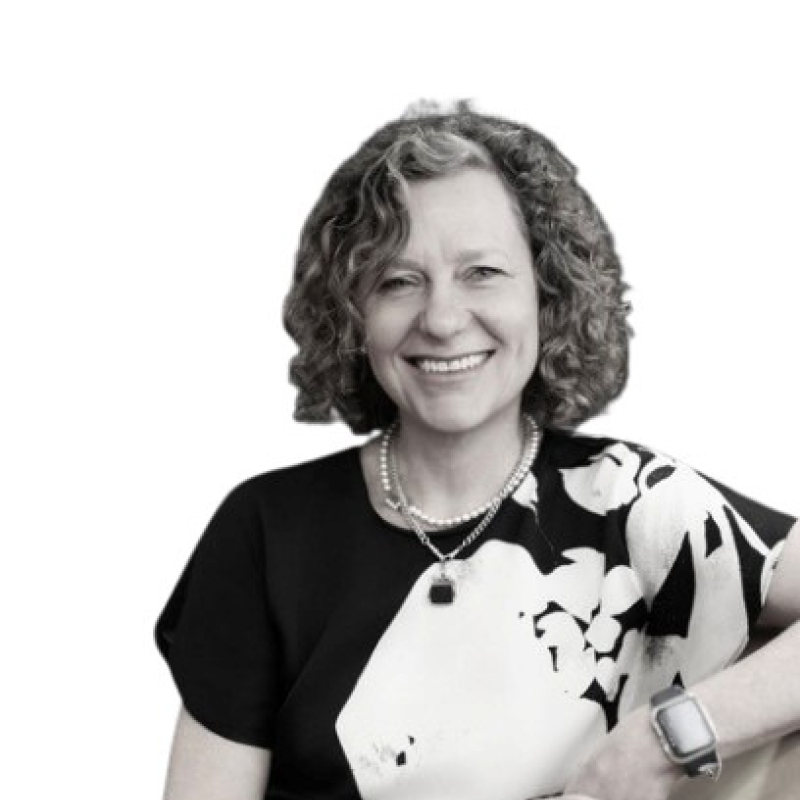
Ms Ilse du Preez
Contact and Appointments
Referrals may be made by general practitioners, consultant psychiatrists, by letter, email, our Contact Form, or by calling us on 020 7730 5945, requesting the “Eating Disorder Clinic”.
Patients are requested to seek referral through their GP, or consultant.