
A private London clinic integrating psychiatry and psychology
Autism Spectrum Disorder (ASD) Clinic
To get in touch or find out more about how we can help:
Our team are available
Monday–Thursday 8am–8pm
Friday 8am–6pm
The Sloane Court Clinic is home to renowned psychiatrists and clinical psychologists with a wealth of experience and expertise in the assessment and support for adult individuals with autism spectrum disorder (ASD).
Adult ASD Treatment in London
The Sloane Court Clinic offers a comprehensive diagnostic service and can offer psychoeducation, guidance, support and psychological therapy for Autistic Adults.
In adults the presentation of ASD sometimes overlaps with other disorders including anxiety, depression, obsessive-compulsive disorder, low self-esteem, relationship difficulties, substance misuse, bipolar disorder and personality or behavioural disorders; these can be evaluated if present. Educational and/or occupational problems are common. We also offer consultation and psycho-education about the diagnosis for the individual and/or their family and combined medical and psychological treatment of primary and secondary symptoms as recommended in the NICE guidelines.
Autism Spectrum Disorder (ASD) in Adults
Autism is a diverse condition, affecting individuals in unique ways. Like anyone else, those with autism possess their own strengths and weaknesses. The definition of autism has evolved over time and may continue to do so as our understanding deepens.
However, there tend to be common challenges faced by those with Autism, including;
Challenges in Social Communication and Interaction:
Autistic individuals encounter difficulties interpreting both verbal and non-verbal cues, such as gestures and tone of voice. While some may lack speech, others possess good language skills but struggle with sarcasm or tone. Challenges include taking things literally, needing extra time to process information, and engaging in echolalia. In social interaction, they may have trouble recognizing others' feelings, expressing their own emotions, and forming friendships.
Repetitive and Restrictive Behaviors:
The unpredictable world can be confusing for autistic individuals, leading them to prefer routines. Repetitive behaviors, like hand flapping or sticking to specific routines, help in managing stress. Changes to routine can trigger anxiety, whether related to significant events or minor disruptions.
Over- or Under-Sensitivity to Sensory Stimuli:
Autistic individuals may experience heightened or reduced sensitivity to sounds, touch, tastes, smells, light, colors, temperatures, or pain. Everyday situations, like school or shopping, can be overwhelming due to sensory issues.
Highly Focused Interests or Hobbies:
Many autistic individuals develop intense and focused interests, which can be lifelong or change over time. These interests bring joy and fulfillment but may lead to neglecting other aspects of life.
Extreme Anxiety:
Anxiety, especially in social situations or during change, is a significant challenge for many autistic adults. Recognizing triggers and developing coping mechanisms is crucial, although emotional regulation can be challenging.
Meltdowns and Shutdowns:
Meltdowns involve a loss of behavioral control, expressed verbally or physically, when overwhelmed. Shutdowns may appear less intense but are equally debilitating, with individuals going quiet or "switching off" in response to overwhelming situations. Public understanding of these experiences is often lacking, leading to misunderstandings and hurtful comments.
What are the Signs of Autism Spectrum Disorder?
-
difficulty interpreting verbal and non-verbal language
-
difficulty 'reading' other people and expressing their own emotions
-
sensory sensitivity and highly focused interests
-
repetitive behaviour and routines
-
behaviour that challenges, such as episodes of frustration or in some cases violent behaviour.
Adult ASD Assessment in London
Our leading ASD specialists will assess the presence of these signs and markers during the patient’s initial diagnostic assessment. It is usually expected that these symptoms will have been present since childhood, before the age of seven. Not everyone with ASD experiences all aspects to the same degree and some of them are more commonly found in children than in adults. The doctor will be able to tell the patient how the markers present in their specific case.
Psychological therapy for Adults with ASD
Why do Autistic Adults need therapy?
Autism spectrum disorder affects how a person acts, learns, and expresses themselves. While individuals with ASD can share symptoms in common, each individual is different and so are their strengths and difficulties.
The core difficulties of ASD are difficulty with reciprocal social interaction, verbal and non-verbal communication and restrictive or repetitive interests and/or a resistance to change. Additionally, people on the autistic spectrum may have sensory sensitivities and executive functioning difficulties.
While there is no immediate treatment for autism spectrum disorder per se, we can offer target social skills interventions as well as treatment of alexithymia (the inability to recognize or describe one's own emotions), mood disorders, helping you understand yourself better and make adjustments in your life, making recommendations for reasonable adjustments at work or at college/university, help with self-harm, OCD, social anxiety and reduce stress overall. We can also offer anger management and neurodivergent couples or family therapy.
What kind of therapies do we offer for ASD?
Medication used in ASD
There aren’t any medications specifically designed to treat autism. However, several medications used for other conditions that may occur with autism might help with certain symptoms.
Medications used to help manage autism fall into several main categories:
-
Antipsychotics. Some newer antipsychotic medications may help with aggression, self-harm, and behavioural problems. These include risperidone and aripiprazole.
-
Antidepressants. These may be useful for treating obsessive-compulsive disorder, depression, and anxiety in people with autism.
-
Stimulants. Stimulants, such as methylphenidate (Ritalin), are generally used to treat ADHD, but they may also help with overlapping autism symptoms, including inattention and hyperactivity.
-
Anticonvulsants. Some people with autism also have epilepsy, so antiseizure medications are sometimes prescribed.
What are the outcomes?
There is currently no one standard treatment for autism spectrum disorder (ASD) but there are many ways to help minimize the symptoms and maximize abilities. People who have ASD have the best chance of using all of their abilities and skills if they receive appropriate therapies and interventions.
Many people with ASD benefit from treatment, no matter what their age when they are diagnosed. People of all ages, at all levels of ability, can often improve after well-designed interventions.
The most effective therapies and interventions are often different for each person. However, most people with ASD respond best to highly structured and specialized programs. In some cases, treatment can greatly reduce symptoms and help people with autism with daily activities.
Further FAQs about the ASD Service can be found here.
Contact and Appointments for Adult ASD Assessment and Treatment
Referrals may be made by general practitioners, consultant psychiatrists, by letter, email, our Contact Form, or by calling us on 020 7730 5945, requesting the “ASD Clinic”.
Patients are requested to seek referral through their GP, or consultant.
Fees
A full breakdown of Fees and Services can be found here.
Prescriptions are usually administered within a session but if an out of session prescription is required for any reason, the fee is £25. Please note that as we are a private service, medication costs from your pharmacy would be in addition to the prescription costs listed here.
Services
- Assessment and diagnosis – a comprehensive assessment based on ADOS-2 / ADI-R structured interviewing, rating scales and observational data
- Neuropsychological assessment
- Psychological interventions
- Advice on behavioural adjustment
- Psycho-education about ASD
- Advice on psychological management methods
- Advice and treatment of associated risk behaviour
- Advice to general consultants or GPs on ongoing treatment of ASD
- Advice to spouses, parents and carers
- Second opinions
Please note: If you already have a pre-existing diagnosis of ASD and would like to enquire about starting or continuing treatment with us, you will be asked to send through documentation confirming your diagnosis and previous/current treatment (if applicable).
Adult ASD Specialists in London
The ASD Clinic is led by Dr Caryl Marshall, consultant psychiatrist, and Dr Maria Jalmbrant, clinical psychologist.
Dr Caryl Marshall is a consultant psychiatrist currently working in South West London and St Georges Mental Health Trust. She is a specialist in the assessment, diagnosis and treatment of adults with intellectual disabilities (ID), autism spectrum disorders (ASD) and attention deficit hyperactivity disorder (ADHD).
Dr Maria Jalmbrant runs a busy adult psychology service for Autism Spectrum Disorders and ASD. She has extensive clinical experience in managing ASD with psychological methods.
Mrs. Roberts is a clinical psychologist with a wealth of experience in helping clients manage symptoms of Autism Spectrum Disorders and ADHD within the remit of Neurodivergent Psychology.
Staff
The ASD Clinic is led by Dr Caryl Marshall, consultant psychiatrist, and Dr Maria Jalmbrant, clinical psychologist.
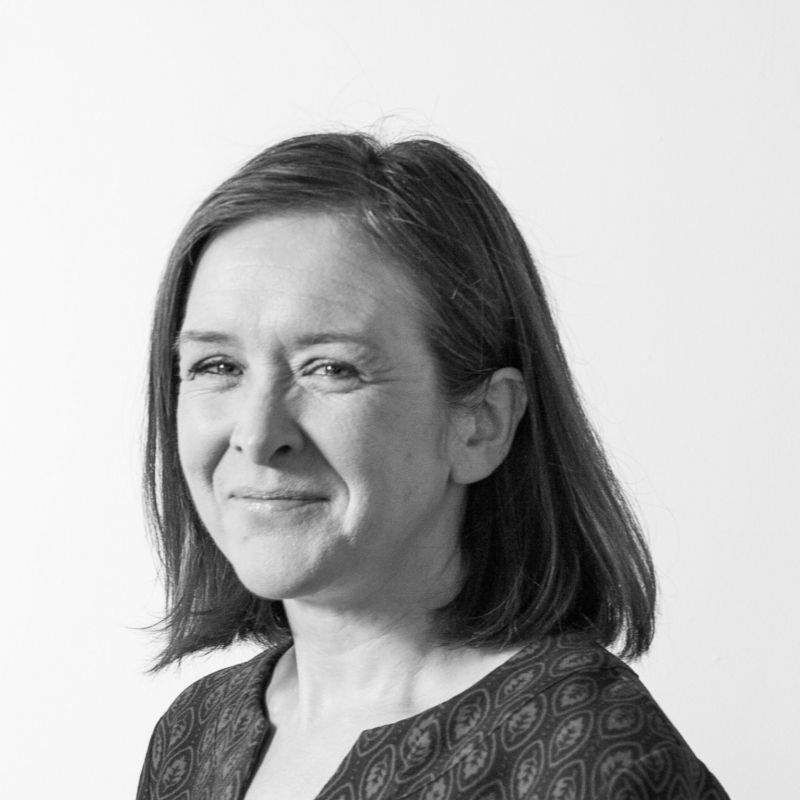
Dr Caryl Marshall

Dr Maria Jalmbrant

Mrs Jessica Roberts
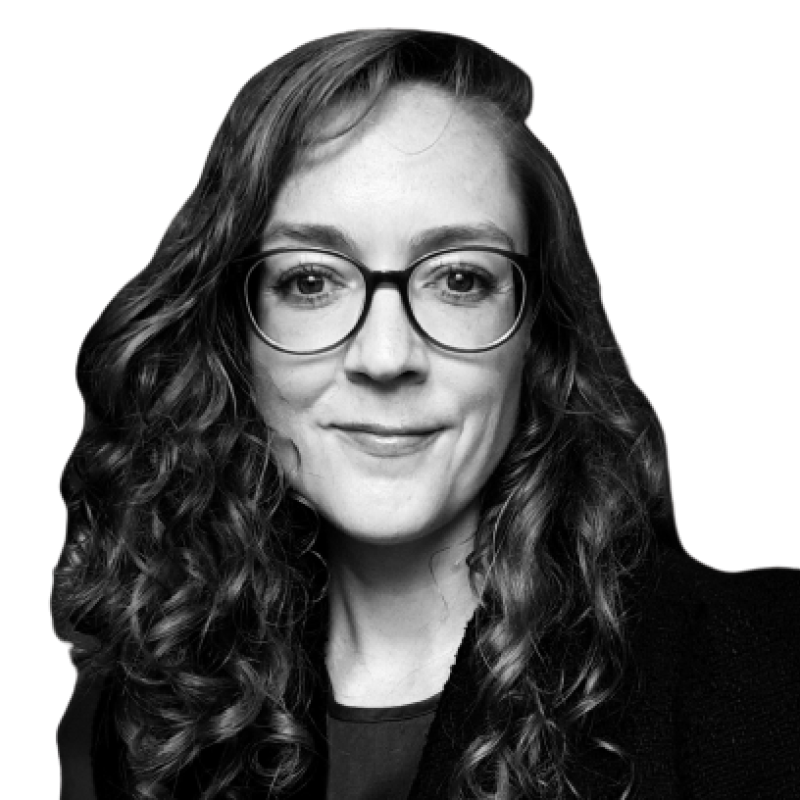
Dr Siobhan Gee
Contact and Appointments
Referrals may be made by general practitioners, consultant psychiatrists, by letter, email, our Contact Form, or by calling us on 020 7730 5945, requesting the “ASD Clinic”.
Patients are requested to seek referral through their GP, or consultant.